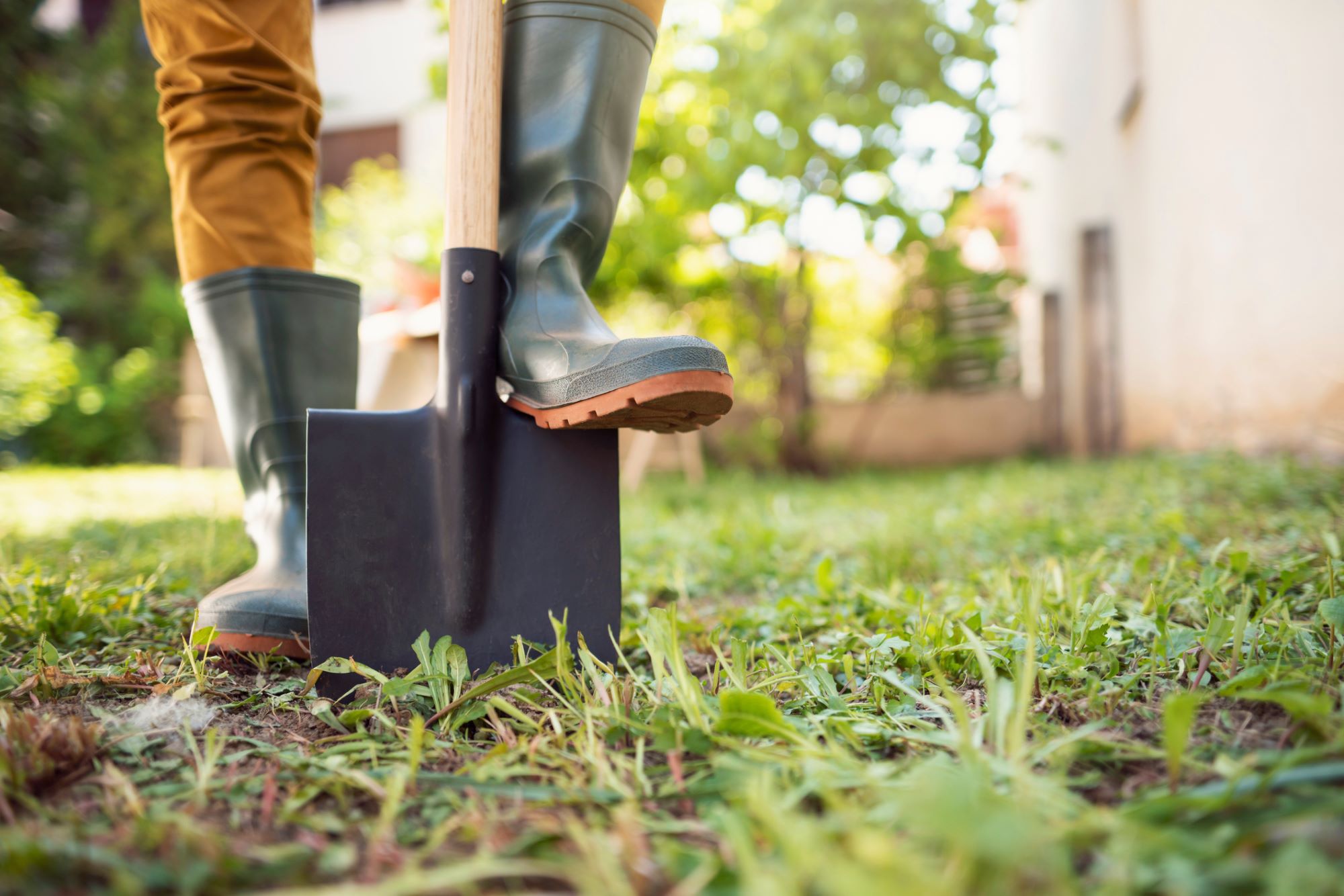
As we welcome the first blooms of spring, Sales Director at Oxfordshire’s Pye Homes, Danielle Simpson, shares her advice on how to introduce your garden to the season, touching on gardening tips and tricks, and sustainable activities for eco-conscious green thumbs.
Seasonal reset
Winter can leave gardens looking tired, so a gentle clean up, a ‘spring clean’ if you will, is the perfect place to begin. Remove fallen leaves from the ground and consider leaving some tucked beneath hedges and shrubs for insects and other garden wildlife to take shelter in; this also helps to improve your soil’s health as it breaks down over time. You can also cut back dead stems on your perennials to allow for new growth.
Soil care
As soil begins to warm, now is the perfect time to improve soil structure by adding compost or well-rotted manure to beds and borders. If you don’t own a compost heap, now is a good time to start one; simply use a mixture of green and brown organic materials, balanced if possible, including uncooked fruit and vegetable scraps, coffee grounds, grass clippings, leaves, and cardboard. It’s important to avoid meat, dairy, cooked foods, diseased plants, and pet waste as this will contaminate and ultimately ruin your healthy compost heap. This waste-free activity provides free, nutrient-rich soil!

Let the planting begin!
Now for the fun part, to decide on what your garden will have the pleasure of growing this year. Sweet peas and hardy annuals such as colourful calendula and nigella can be sown directly into the ground from March onwards.
It’s always important to consider adding pollinators to your garden such as foxgloves, primroses, and lavender to provide vital nectar for insects such as bees to feast on as winter comes to an end. Not only do they help to create a thriving biodiversity, but they also smell wonderful and add lots of playful colour.
Water maintenance
When planting your fauna and flora, it’s important to know how to properly water them. By watering the plants deeply but less often, it can help to encourage the roots to grow downwards, making plants more resilient during warmer seasons. Adding a layer of mulch (bark, wood chippings, or compost from your heap), traps moisture, keeping the soil’s temperature stable; it also means less weeding is needed!
From garden to kitchen
If you’re interested in growing your own produce to fuel meals at home, spring is the perfect time to get started. Salad leaves, herbs, and strawberries thrive in pots and raised beds, making them ideal for smaller areas such as patios and balconies.
Gardening is accommodating to all, so if your space is limited, there’s a way: vertical gardening. Not only is this way of gardening just as effective but it can also be quite beautiful. Wall-mounted planters are great for peas, leafy greens, peppers, and a variety of flavoursome herbs; all of which are perfect for early spring planting.

Wildlife
It’s no secret that spring is a vital time for wildlife, and your garden can play a big role in supporting your local critters and animals when they need it most.
As animals emerge from winter, they will be in search of food and a safe place to shelter and nest. If you make a few simple changes and additions to your garden you can help integrate them into the new season smoothly and comfortably.
Pye Homes’ Church Farm development in Radley, Oxfordshire is home to many wildlife-friendly features including hedgehog highways through garden walls and fences, and ready-installed bird boxes.
To keep creatures warm and fed you can leave food offerings such as seeds and berries, build a simple shelter using log piles and leaf litter, and even create a bug hotel. Consider leaving a shallow water dish for birds to drink and bathe if you don’t have a pond, and to make their water station a little more comfortable, add small stones and rocks to the water for them to land on safely.
Lastly, avoid using chemical pesticides on your plants where possible. Instead consider natural solutions such as companion planting (where different plants are grown together in proximity) which attracts different beneficiary insects that will control any aphids problem in an organic matter.